4-Week Fitness Challenge Life-Changing to Build Healthy Habits
Let’s be honest—building a healthier lifestyle can feel overwhelming at first. There’s so much information out there, and it’s easy to feel like you have to completely overhaul your life to see results. But what if you didn’t need to? What if just four focused weeks could get you on track and help you create habits that actually stick?According to the CDC, engaging in consistent physical activity just a few times a week can lower the risk of heart disease, reduce anxiety, and improve overall energy levels. That’s huge! And even better—it doesn’t take hours at the gym or expensive programs to get started.
This 4-week fitness challenge is designed for real people with real lives. Whether you’re juggling work, parenting, school, or just trying to figure out where to begin, this plan is all about short, effective workouts that fit into your schedule. It’s beginner-friendly, flexible, and can be done at home with little or no equipment. The goal? To help you build healthy, lasting habits without burnout. Let’s dive into week one!
Week 1 – Start Strong with Full-Body Basics
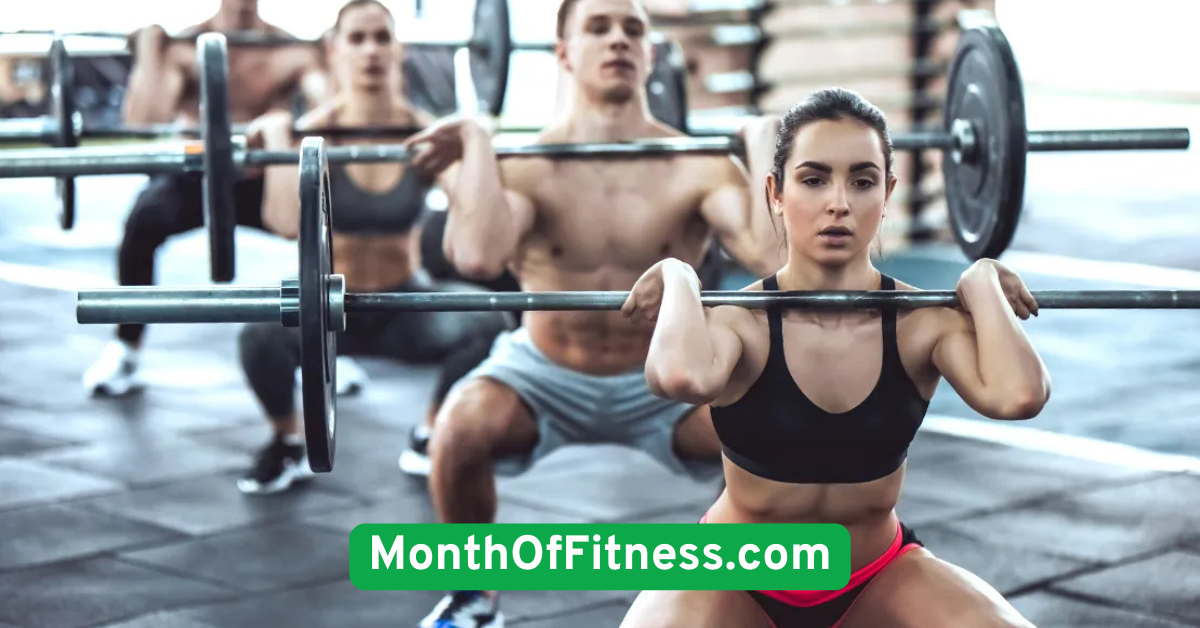
The first week is all about creating consistency and activating your entire body. Think of it as laying the groundwork. Your muscles are waking up, your stamina is starting to build, and your brain is learning that this is something you can do. Don’t overthink it—just move.You’ll focus on low-impact full-body workouts that use bodyweight movements. Think classic moves like bodyweight squats, modified push-ups, glute bridges, and lunges. These exercises work multiple muscle groups at once, making your workouts efficient and effective. Add a 30-second plank at the end of each routine to start engaging your core from day one.
If you’re brand new to exercise, form is more important than speed or intensity. Take your time. Rest when needed. And always warm up—simple arm circles, toe touches, or gentle jumping jacks for 3–5 minutes will do the trick. After your workout, stretch your hamstrings, quads, and back to cool down.One of the most powerful tools this week? A fitness tracker or journal. Write down what you did, how you felt, and how long you moved. Even 15 minutes counts. You’re showing up—and that’s the hardest part.
Week 2 – Build Momentum with Cardio and Core
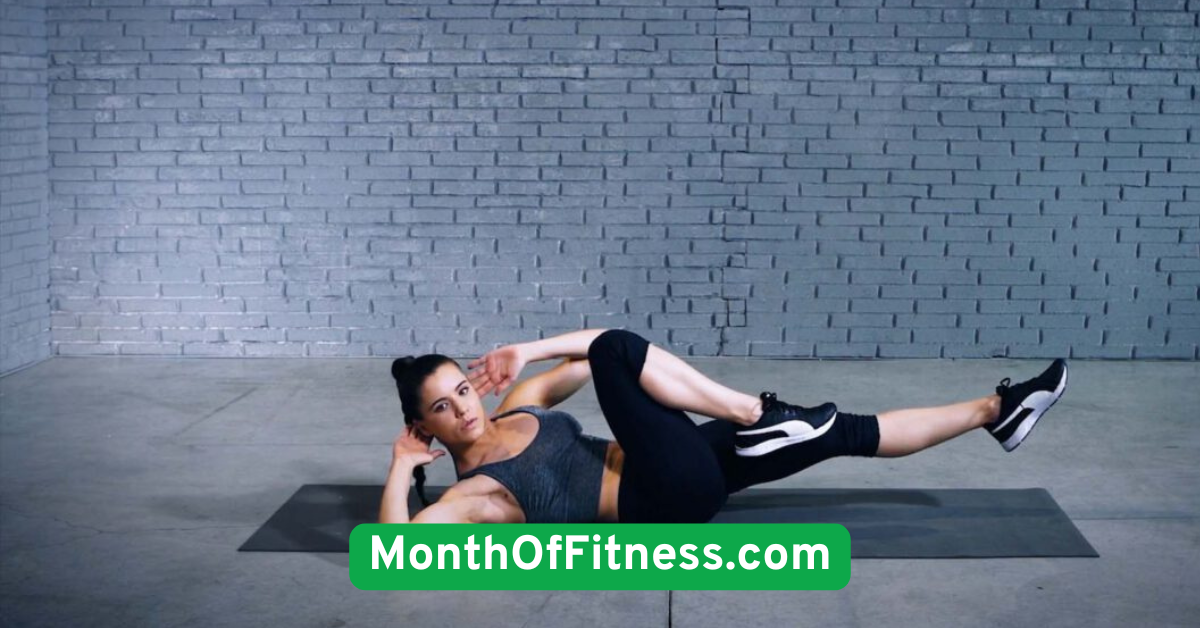
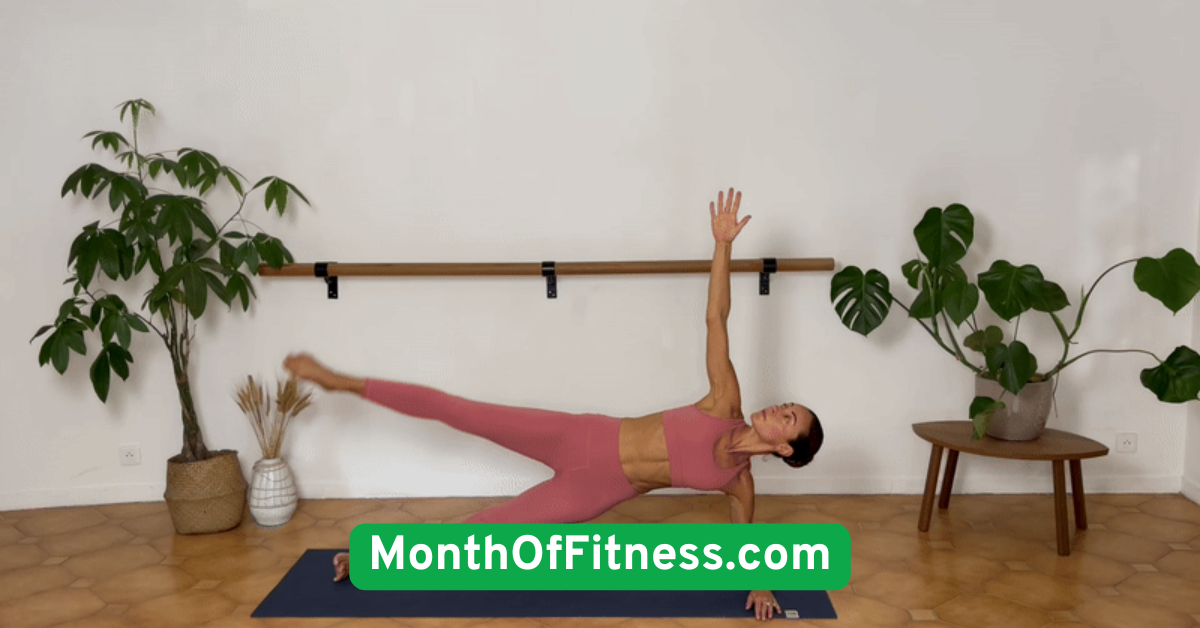
Now that your body’s moving, it’s time to add some energy! In week two, you’ll bring in light cardio workouts and core-strengthening exercises to increase your heart rate and start building endurance. You don’t need to run a marathon—just enough movement to get your heart pumping and sweat flowing.This week’s workouts might include brisk walks, low-impact HIIT, jump rope intervals, or even step-ups using stairs or a sturdy box. Alternate days with core routines: crunches, dead bugs, Russian twists, and side planks. These exercises target your abs, lower back, and obliques—essential for posture and injury prevention.
Walking is a fantastic option, especially if you’re budget-conscious and want a no-fuss routine. Try to hit 8,000 to 10,000 steps a day. Can’t get outside? March in place during TV time, or take short walk breaks while working.Don’t forget: movement needs fuel. This is a great time to start focusing on hydration and simple, nutrient-rich meals. Think whole grains, lean proteins, colorful veggies, and healthy fats. You don’t need to overhaul your diet—just make one or two mindful upgrades. Small shifts = big wins.
Week 3 – Strengthen and Sculpt
By now, you’re moving more regularly, building confidence, and maybe even noticing changes in your mood or energy levels. This week, we’re bringing in light strength training to help you build lean muscle and improve your metabolism.If you have access to light dumbbells or resistance bands—great! If not, don’t worry. Soup cans, water bottles, or your own body weight will do just fine. Start by splitting your workout into upper and lower body days. For upper body: try bicep curls, shoulder presses, tricep dips, and bent-over rows. For lower body: squats, calf raises, glute bridges, and wall sits.Strength training doesn’t mean bulking up. For beginners, it’s all about increasing function, stability, and strength. Plus, more muscle means your body burns more calories, even at rest.
Make sure to include a rest or active recovery day this week. Yoga, stretching, or even a gentle walk can give your muscles time to repair while keeping the habit alive. If you’re feeling more motivated now, you can start layering in slightly more reps or rounds.This is also the week where many people start to feel mentally stronger. You’re proving to yourself that you can do this, and that feeling is just as powerful as any physical transformation.
Week 4 – Lock It In with Lifestyle Habits
You’ve made it to the final week—and this one is all about sustainability. By now, the goal isn’t to work harder, but to work smarter. You’ve built a foundation. Now let’s focus on turning it into a long-term lifestyle.This week’s workouts are more flexible: 3–4 total body sessions, mixing strength and cardio, plus one fun movement of your choice—dance, biking, swimming, anything that brings joy. Fitness isn’t punishment—it’s celebration.Use this week to reflect. What workouts did you enjoy? Which ones felt like a chore? Were there any moments you felt proud, surprised, or even discouraged?
Write it down. Use your journal to track non-scale victories too—maybe you’re sleeping better, thinking more clearly, or feeling more confident in your clothes.This is also a great time to solidify nutrition habits. Try prepping meals on Sunday for the week ahead. Keep snacks simple—nuts, fruit, hard-boiled eggs, hummus and veggies. You don’t need to be perfect—just consistent.Finally, celebrate your progress! Whether that means treating yourself to new workout gear, sharing your success with a friend, or simply taking a quiet moment of gratitude—you’ve earned it. This challenge might be 4 weeks, but your journey is just beginning.
Conclusion
Congratulations—you did it! Four weeks of showing up, sweating it out, and building something stronger than muscle: momentum. This fitness challenge wasn’t about perfection. It was about commitment. Small, consistent actions that added up to real change.You learned how to move better, eat smarter, and feel more connected to your health. Most importantly? You created a lifestyle that’s built to last.What comes next is up to you. Maybe you repeat the challenge with more intensity. Maybe you explore new workouts, like yoga or strength training. Maybe you keep it simple and just keep going. Whatever you choose, know this: you’ve already proven that you’re capable.


